Should I repair or replace my front steps?
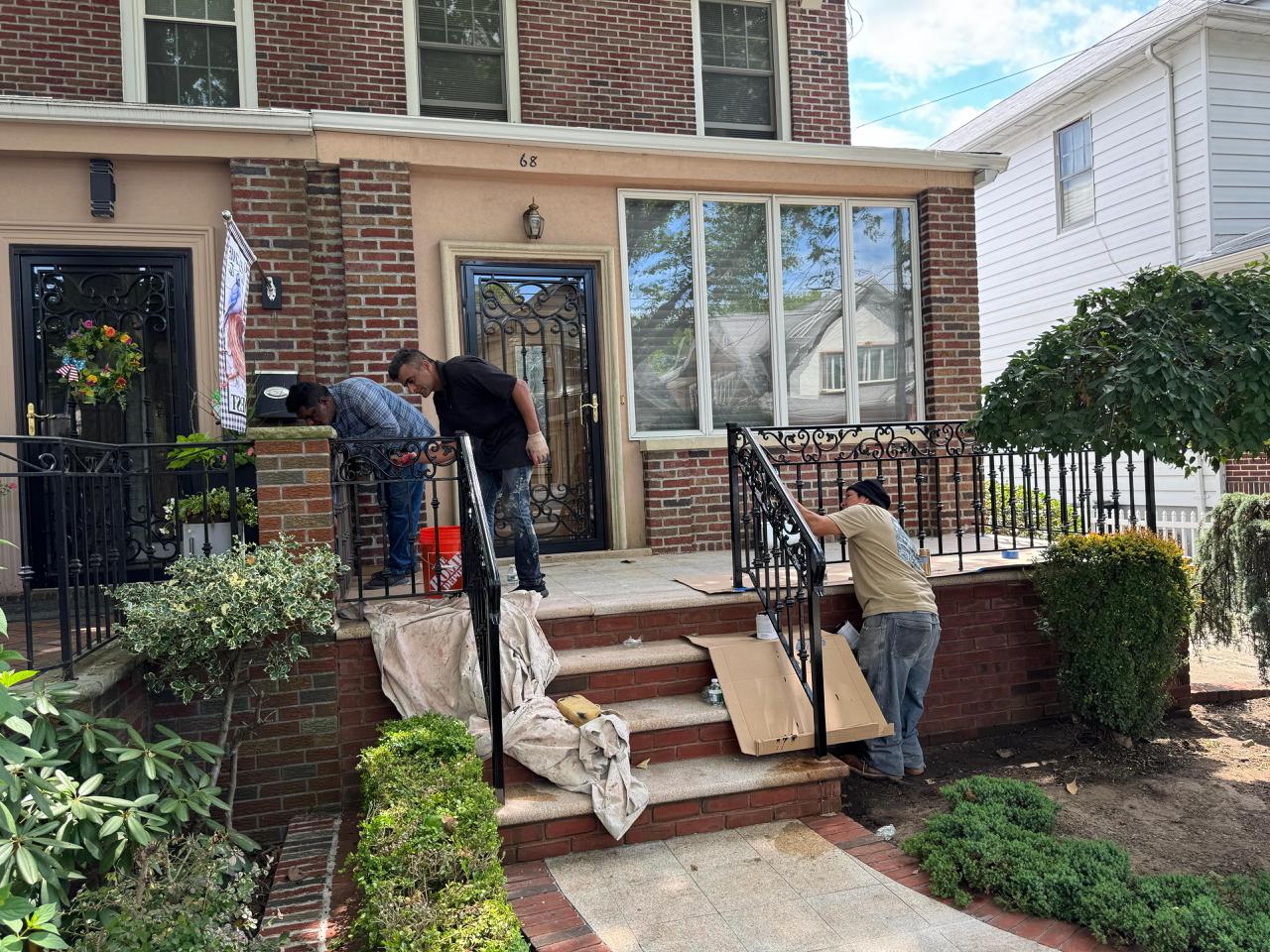
It depends on why they are failing. Cracked treads, spalled edges, loose brick, and open joints on an otherwise sound structure are usually repairable. But once the steps have settled and pulled away from the house, or the footing under them has failed, repair just chases the problem and replacement on a proper footing is the real fix. We look at the footing and the settlement, not just the surface, and tell you straight.
How much do new front steps cost in Staten Island?
The drivers are the material, brick, concrete, or stone, the size and number of steps, whether a proper footing has to be dug and poured, whether an old stoop needs removal, and whether a railing is included. A small concrete stoop is a different number from a wide brick stoop with a landing and rails. We price it on site and give a free written estimate.
Why are my front steps cracking and pulling away from the house?
The usual cause is the footing. If the steps sit on soil or a shallow pad instead of a footing below the frost line, the freeze-thaw cycle heaves them and they settle and separate from the front wall, opening that gap you see. Water sitting on flat treads and freezing adds the cracking and spalling. A rebuild on a proper footing with treads pitched to drain fixes both.
What is the best material for front steps?
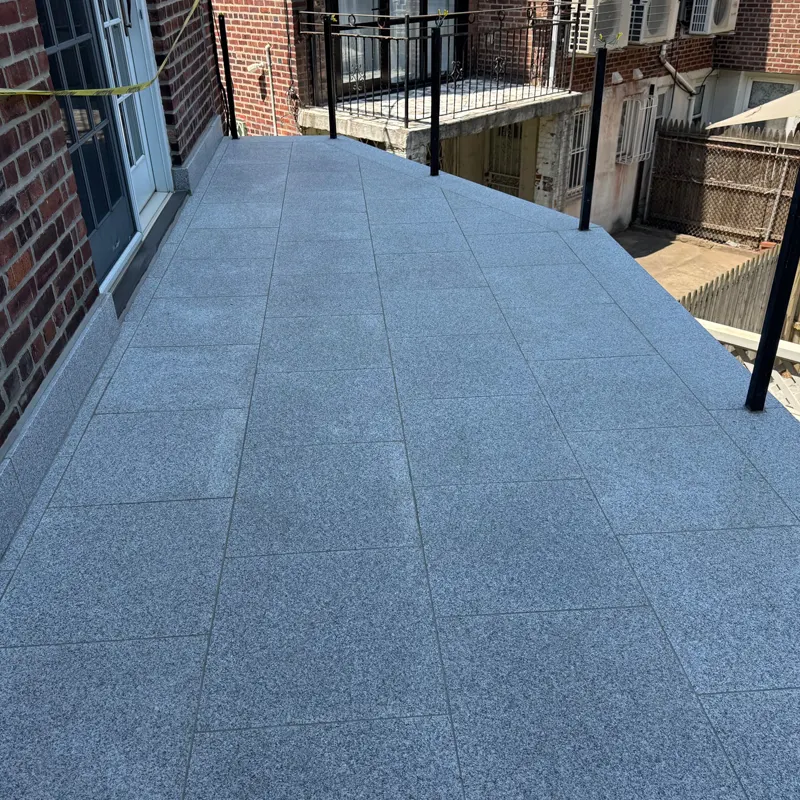
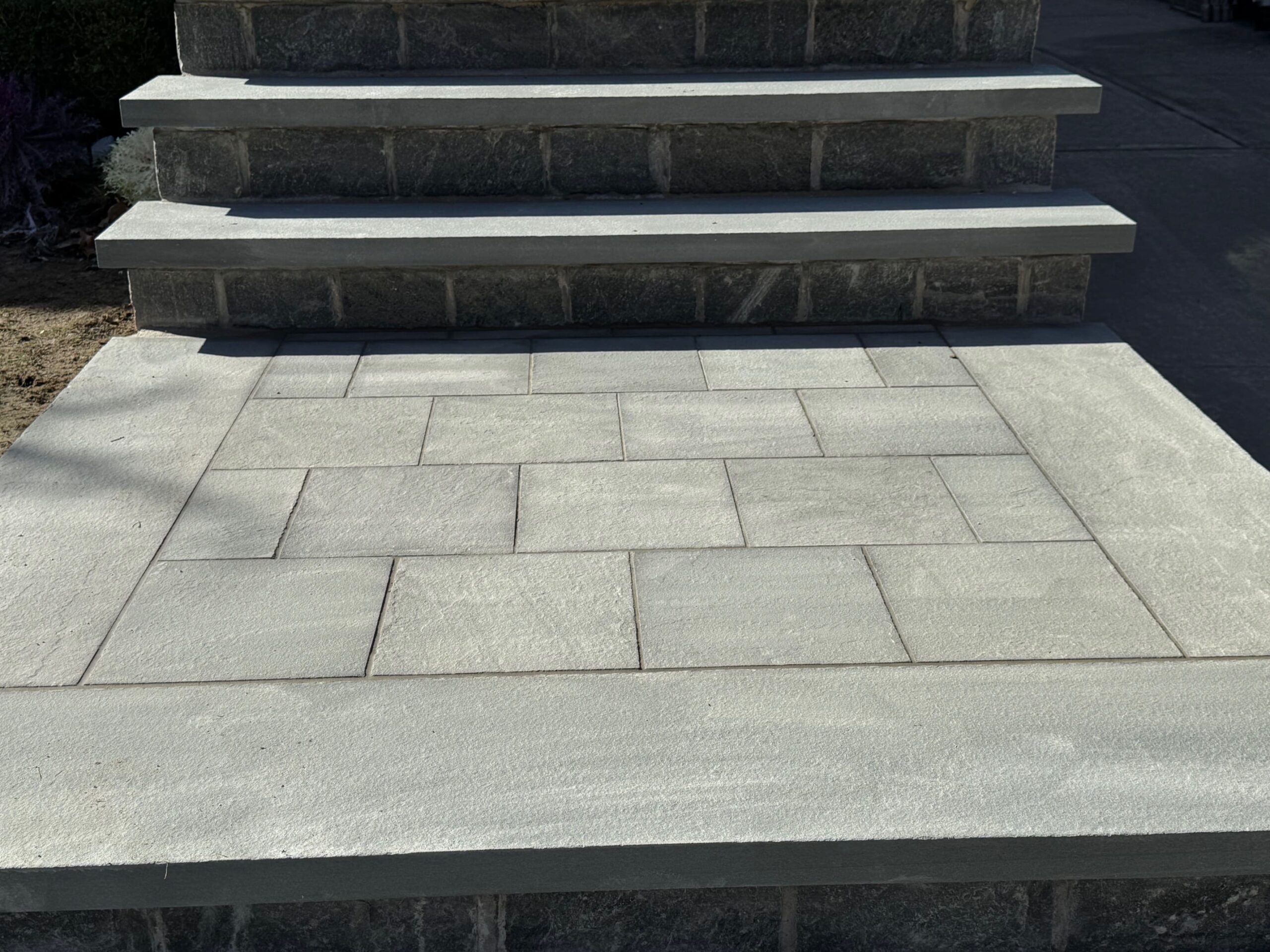
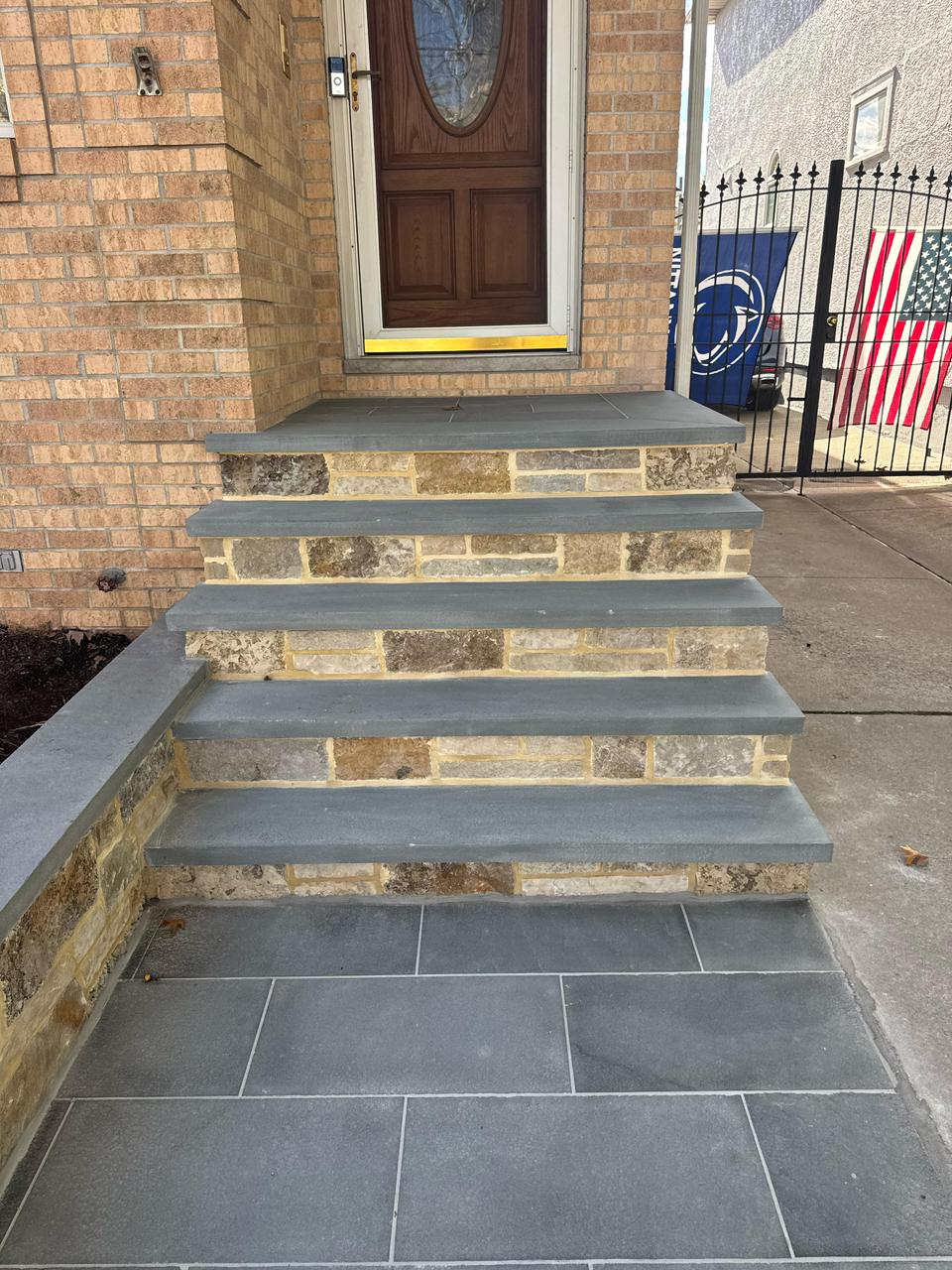
There is no single best. Brick suits traditional Staten Island homes and can be repaired and repointed over time. Concrete is the most economical solid option and can be faced later. Stone is the premium, longest-lasting look. Many jobs use a poured concrete structure faced in brick or stone for strength plus the finish you want. The right pick depends on your house and budget.
Do I need a permit to replace my front steps?
It depends on the scope and whether the work touches the public right-of-way or changes the structure. Straightforward like-for-like step repair often does not, while larger structural work or anything into the sidewalk area can. We will flag when your specific job needs a permit so nothing gets missed.
Do front steps need a railing?
For safety and to meet the requirement, steps generally need a handrail once there are a few risers, and it is the thing people rely on when the steps are wet or icy. We install and re-set railings as part of step work and set them solidly into the masonry so they do not loosen over time.
Can you put brick or stone on my existing concrete steps?
Often yes. If the concrete step structure is sound, it can be faced in brick or stone to transform the look without a full teardown. If the concrete is cracked, settled, or failing, though, facing it just covers a problem that will telegraph through, so we check the structure first and only reface steps that are worth refacing.
How long do front steps last?
Steps built on a proper footing, pitched to drain, in the right materials, last for decades, often the life of the house, with occasional repointing on brick and stone. Steps that fail early almost always skipped the footing or held water on flat treads. The footing and the drainage are what decide how long they last.