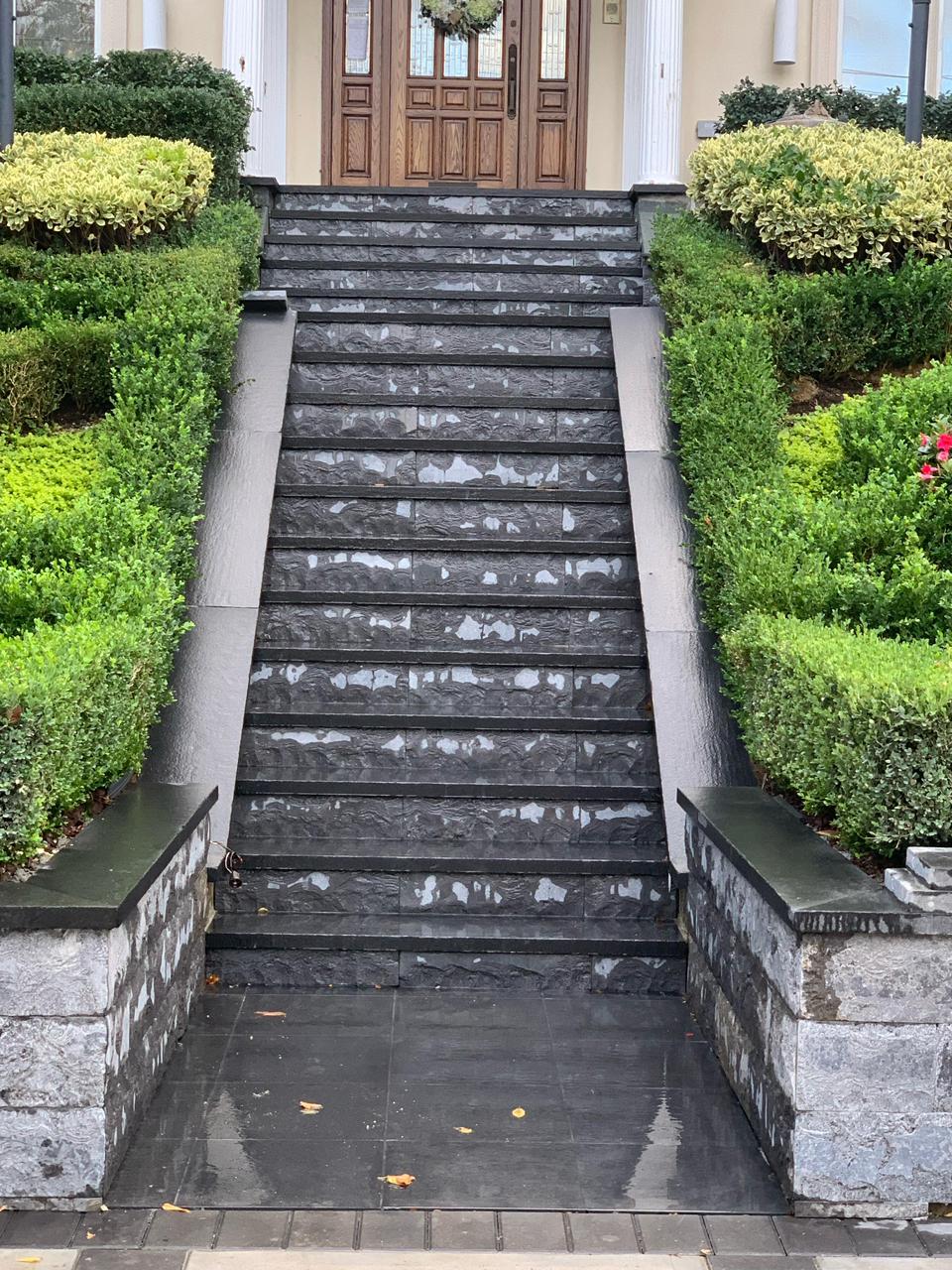
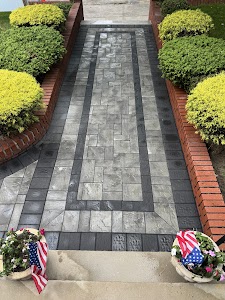
How much does stonework cost in Staten Island?
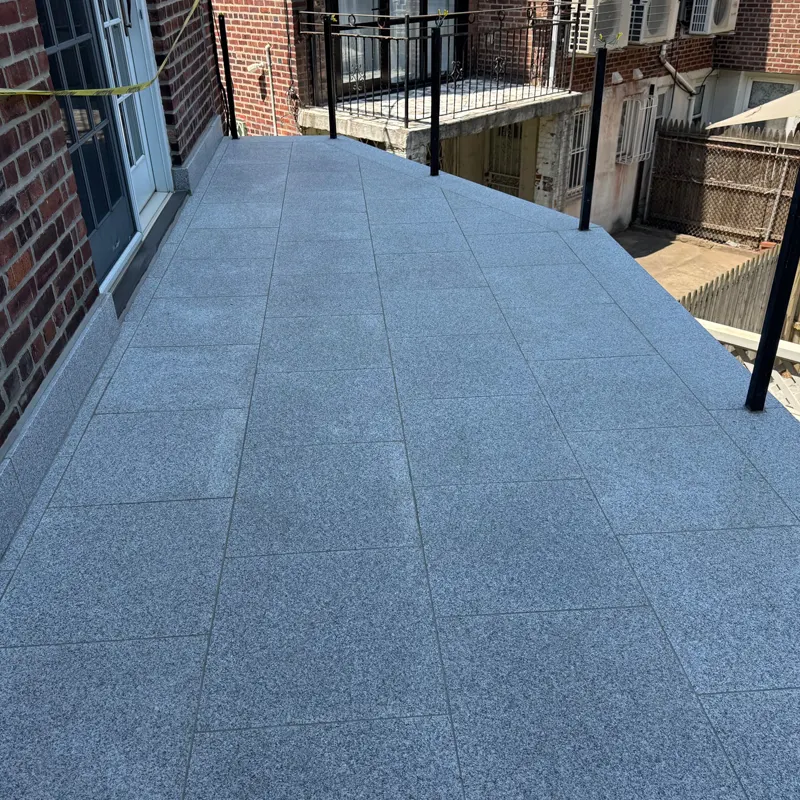
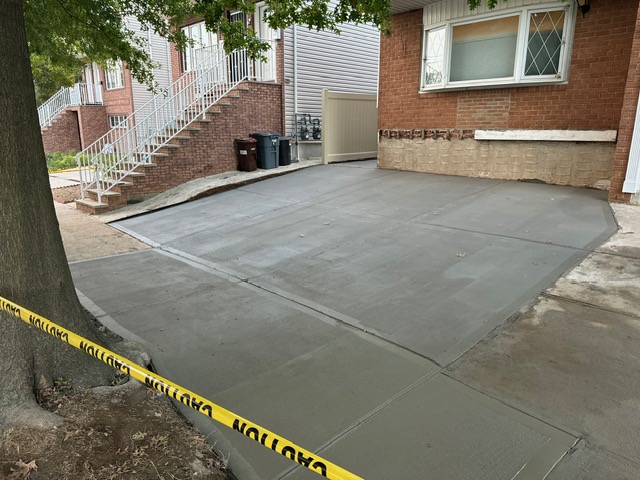
It depends on the material, natural stone or manufactured veneer, the area covered, and whether structural or drainage work is needed to support it. Facing a full facade in natural stone is a very different number from a manufactured-veneer accent wall or a short bluestone walk. We assess the project on site and give a free written estimate.
What is the difference between natural stone and manufactured stone veneer?
Natural stone is quarried real stone, heavier, longer lasting, with depth and variation, and it costs more. Manufactured stone veneer is a cast concrete product molded and colored to look like stone, lighter, cheaper, and easier to apply to more walls, though quality varies by manufacturer. Natural stone shines where you see it up close; veneer makes covering large areas affordable.
Does manufactured stone veneer last, or does it look fake?
Good manufactured veneer, installed correctly with proper backing and moisture details, lasts for decades and looks convincing from normal viewing distance. The two things that make it look fake or fail early are a cheap product and a bad install, especially skipping the moisture barrier and flashing. We use quality product and build the wall behind it right.
Can you add stone to the front of my existing house?
Usually yes. Stone veneer, natural or manufactured, is a common way to reface all or part of an existing facade. The key is the wall behind it: it needs the right backing, moisture barrier, and support, and heavy natural stone may need extra structure. We check the existing wall first and tell you what it needs to carry the stone.
Why do stone retaining walls fail?
Almost always drainage. Water builds up in the soil behind the wall, and with nowhere to drain, the pressure pushes the wall out and eventually topples it. A stone retaining wall has to be built with drainage behind it, a proper base, and the right batter, or lean, back into the slope. Build those in and the wall holds the grade for the long haul.
Do you install bluestone?
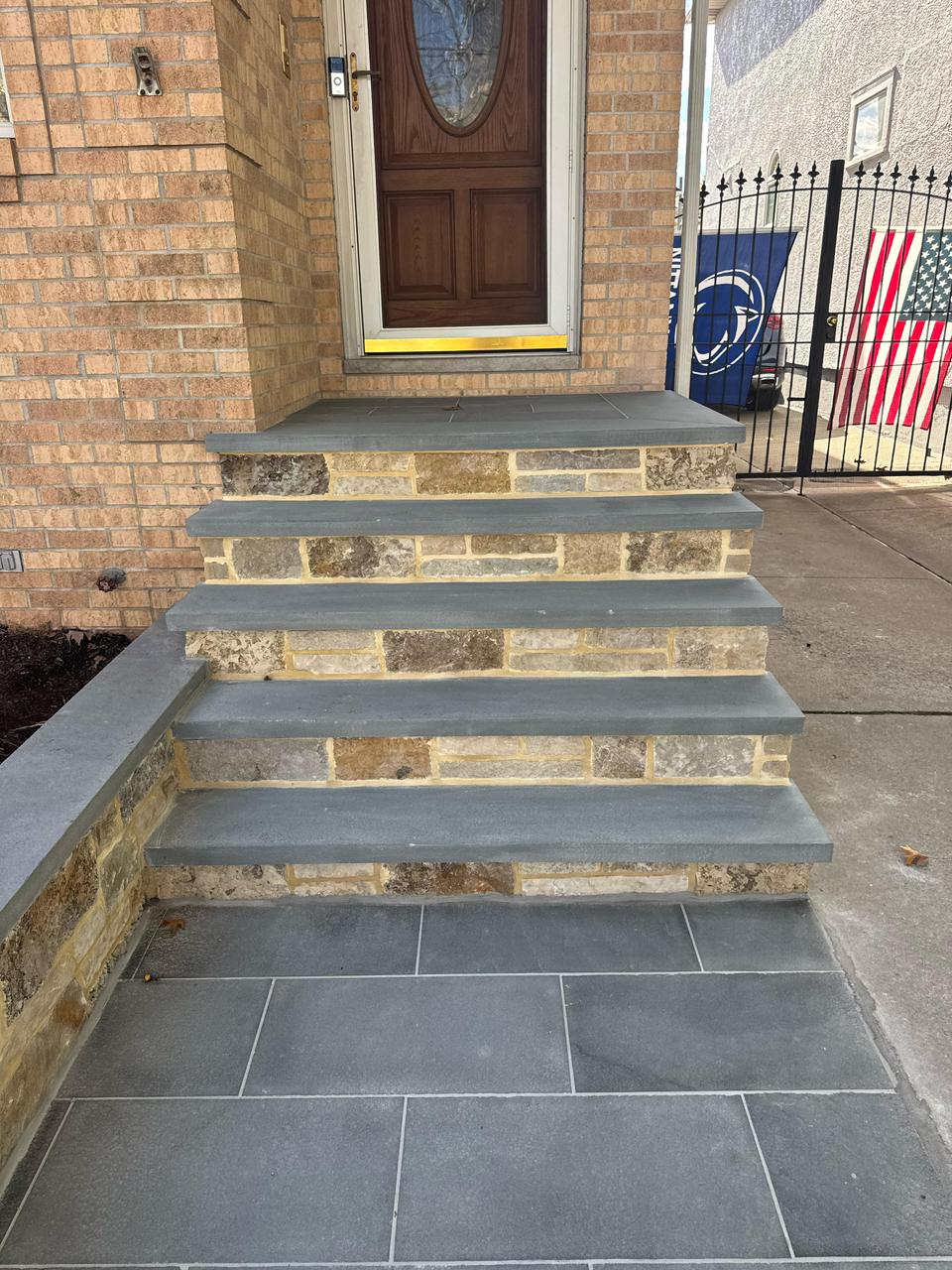
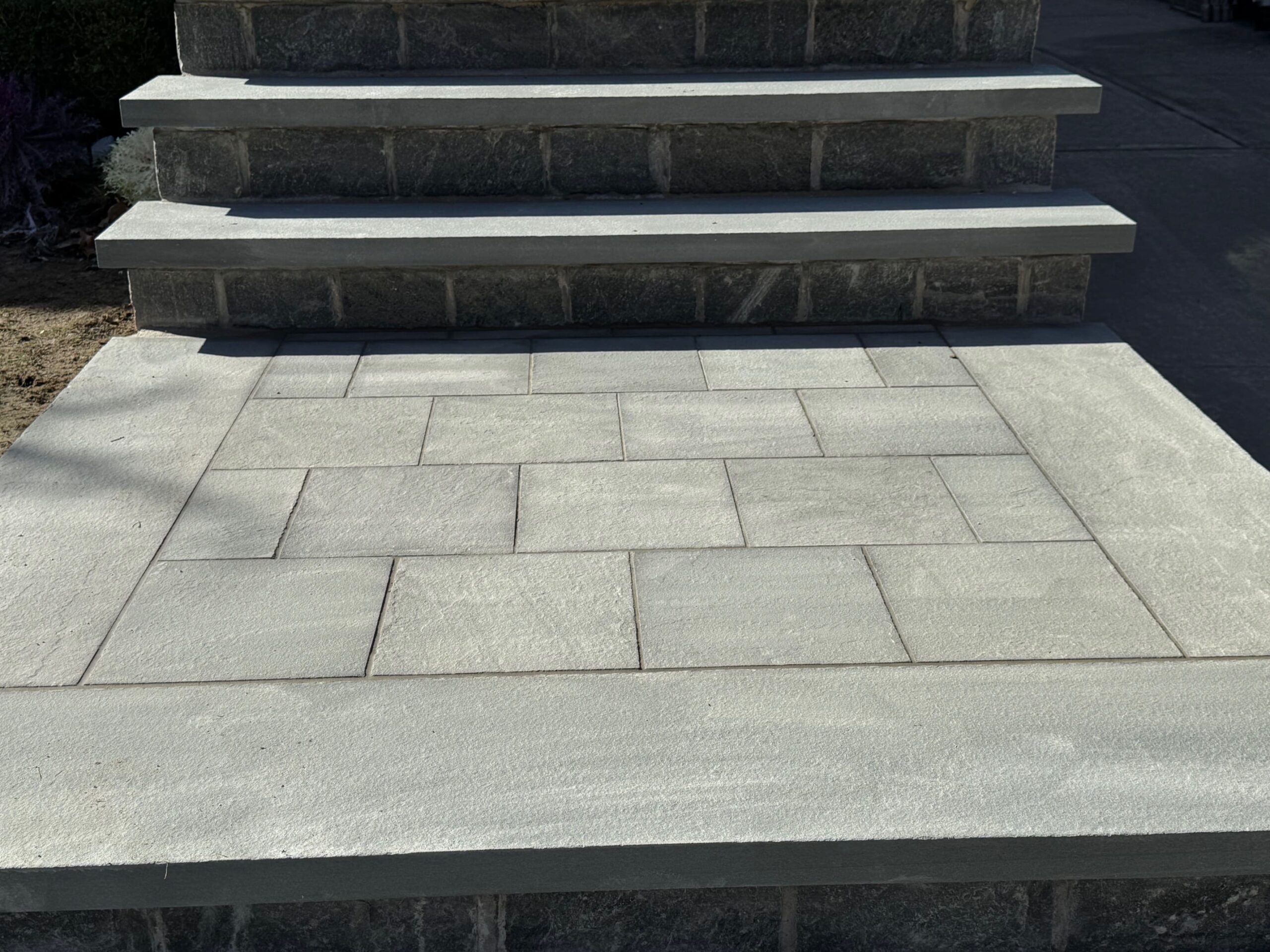
Yes. Bluestone is one of the most popular natural stones on Staten Island for walkways, porches, patios, steps, and caps. We install it wet-laid on a concrete slab for the most permanent result, or dry-laid on a compacted base, depending on the application and the look you want.
Does stone need to be sealed?
It depends on the stone and the use. Many natural stones do fine unsealed, but a sealer can help with staining and water absorption on porous stones or high-traffic surfaces like a walkway, and it needs redoing periodically. Manufactured veneer generally does not need sealing. We will tell you whether sealing is worth it for the specific stone you choose.
Is stonework structural or just a finish?
Both, depending on the job. Stone veneer on a facade is a finish over a structural wall. A stone retaining wall is structural, it holds back a grade. Solid stone columns and steps carry load. That is why the structure and footing under stonework matter as much as the stone you see, and why we build them to suit the job.