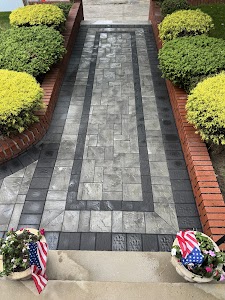
A paver driveway is one of the best-looking things you can do to the front of a Staten Island home, and the hardest-working paver surface on the property. It carries a couple of tons of vehicle in the same wheel tracks every day, plus the plow in winter. NDCCNY has installed interlocking paver driveways across Staten Island since 2014. Build it like a patio and it ruts. Build it on a deep, load-rated base and it lasts. Our own crew builds it.
Tell us about your driveway and we will send a written estimate within 24 hours.
Why Staten Island Homeowners Call Us
We are a licensed and insured paver contractor based in Bulls Head, central Staten Island. A paver driveway needs a deeper, more compacted base than a patio because it spreads vehicle load, laid in an interlocking pattern that locks that load across many units. Our own crew builds it that way. You get a free on-site assessment, a written estimate within 24 hours, and work we stand behind. NYC Home Improvement Contractor license #2127843-DCWP.
Load-Rated Base
A deeper base built and compacted in layers to spread vehicle weight, so the driveway does not rut in the wheel tracks.
Herringbone Interlock
The strongest layout for vehicles, so a braking or turning tire spreads its force across many locked pavers, not one.
Heavy Edge Restraints
The edges take the most stress from tires, so we lock them with heavy-duty restraint that will not creep.
Licensed and Insured
NYC Home Improvement Contractor #2127843-DCWP, fully insured, and we handle the DOT apron permit when your job needs one.
OUR DRIVEWAY SERVICES
Driveway Paver Staten Island Services
New Paver Driveways
Full installs, from excavation and load base to the final compaction.
Concrete or Asphalt Conversion
Removing an old poured or blacktop driveway and rebuilding in interlocking pavers.
Driveway Re-Lay
Lifting sunken or rutted sections, correcting the base, and resetting the pavers.
Paver Replacement
Swapping cracked, stained, or oil-damaged units without redoing the whole driveway.
Aprons & Curb Cuts
Widening or tying into the apron, with the NYC DOT permit when one is needed.
Permeable Driveways
Open-jointed systems that let stormwater drain through instead of into the street.
Borders & Patterns
Contrasting borders and parking-court layouts that frame the front of the house.
Free On-Site Estimates
A free on-site look and a written estimate within 24 hours, no obligation.
New Driveways, Conversions and Repairs
We install new paver driveways, convert old concrete or asphalt driveways to interlocking pavers, repair and re-lay sunken or rutted sections, replace individual damaged pavers, build permeable paver driveways, handle aprons and curb cuts, and add borders and parking-court patterns.
Why a Driveway Needs a Different Build Than a Patio
People assume pavers are pavers, until a car is involved. A driveway needs a deeper base built up in more compacted layers than a patio, an interlocking pattern like herringbone that ties the load across many units, heavy edge restraints where tires stress the perimeter, a pitch that sheds water away from the garage, and full-depth driveway-rated pavers. Build to that standard and it carries the daily load, the plow, and Staten Island winters without rutting.
Get your free paver driveway estimate. Call (347) 335-5005, message us on WhatsApp, or request an estimate online. We respond within 24 hours and there is no obligation. Licensed NYC Home Improvement Contractor #2127843-DCWP. Fully insured. Serving Staten Island since 2014.
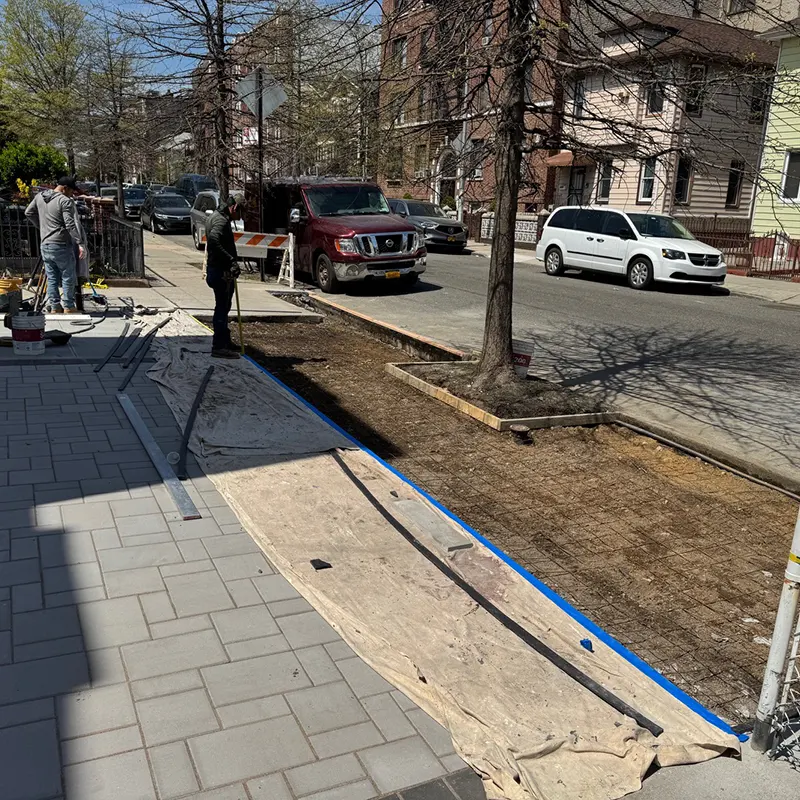
Excellent work from start to finish. The contractor handled the excavation for the test pit, restored the area with concrete, and cleaned everything up afterward. When I came home, everything was in perfect order. Professional, reliable, and easy to work with.
I highly recommend Adeel and his team! This is the second time I’ve worked with him, and the experience was just as great as the first. They recently put down pavers and created a new carport parking spot in front of my house. The quality of the work is top-notch, and they completed the job quickly and professionally. Adeel is always a pleasure to work with—reliable, professional, and excellent at what he does.
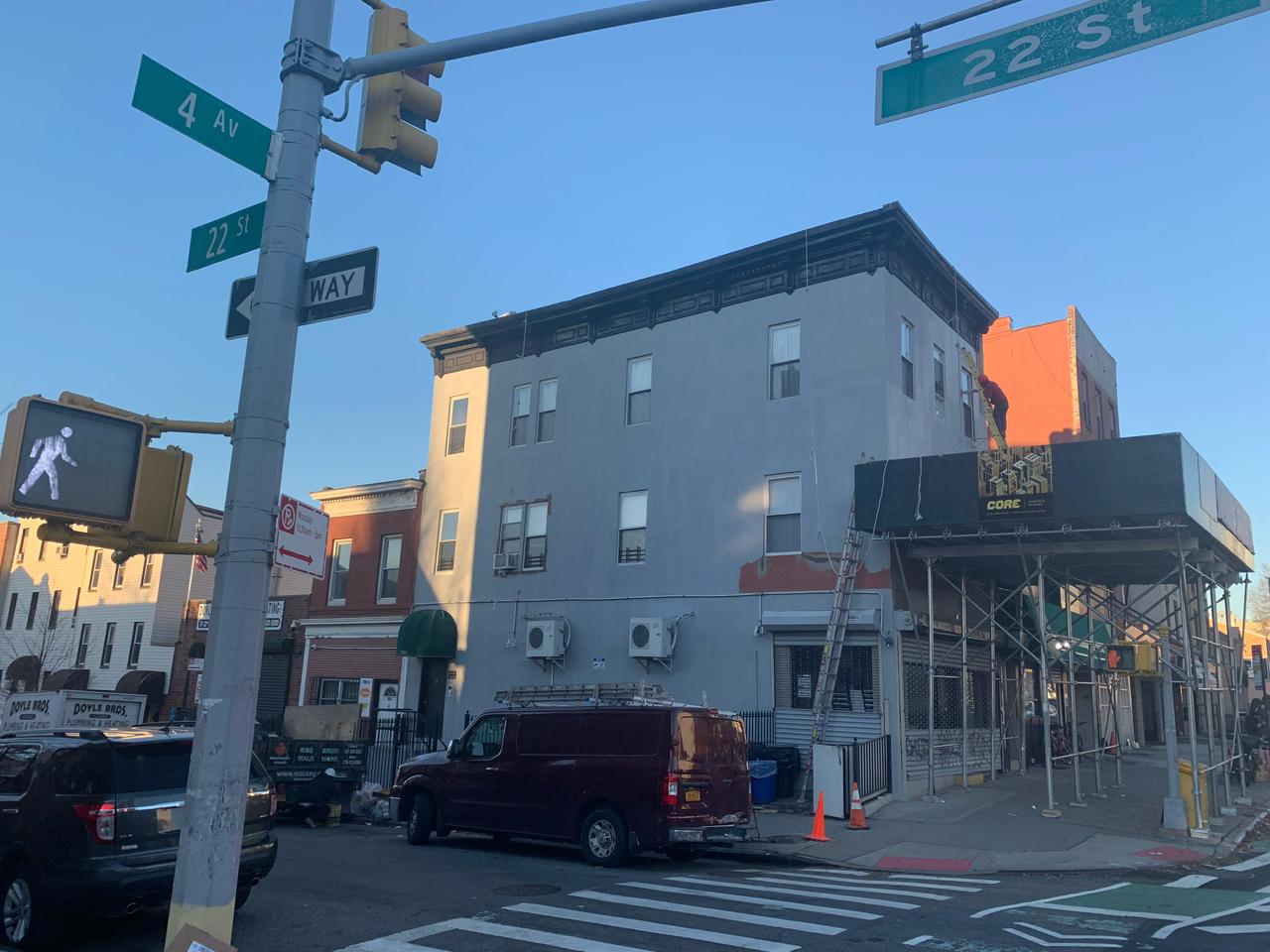
I needed my roof capped. Adel gave me a quote and exceeded my expectations. His crew took their time and followed the design of the building. I have other work and I will work with Adel. I have confidence in giving Adel the highest recommendation possible. He took a dangerous and hard job and made it look easy.
I totally recommend National Design and Contracting.
They do excellent work. The workers are great, friendly and hard working. The end product is eyr catching and they produce the best looking house or project, on the block.
You will love their work.
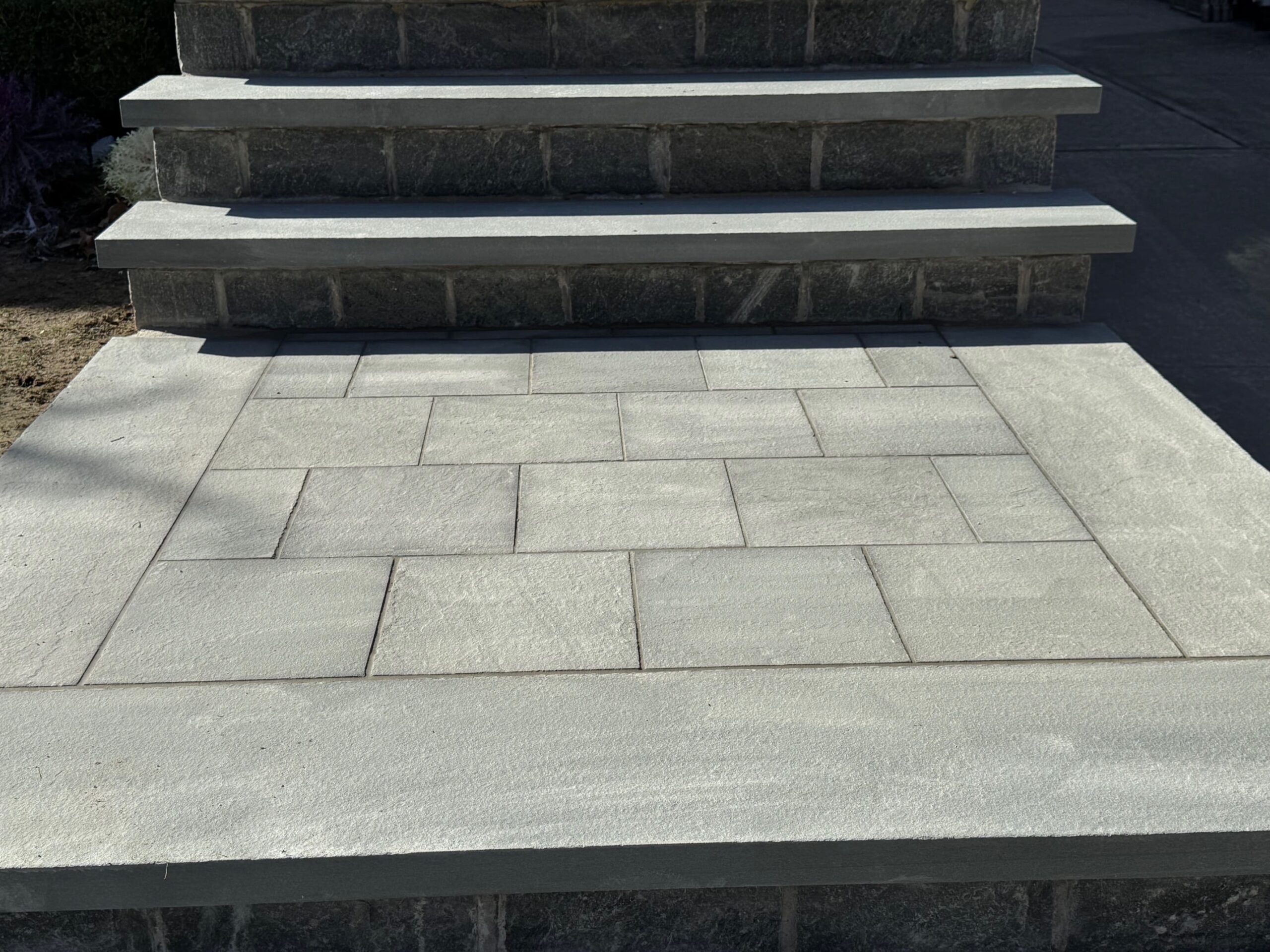
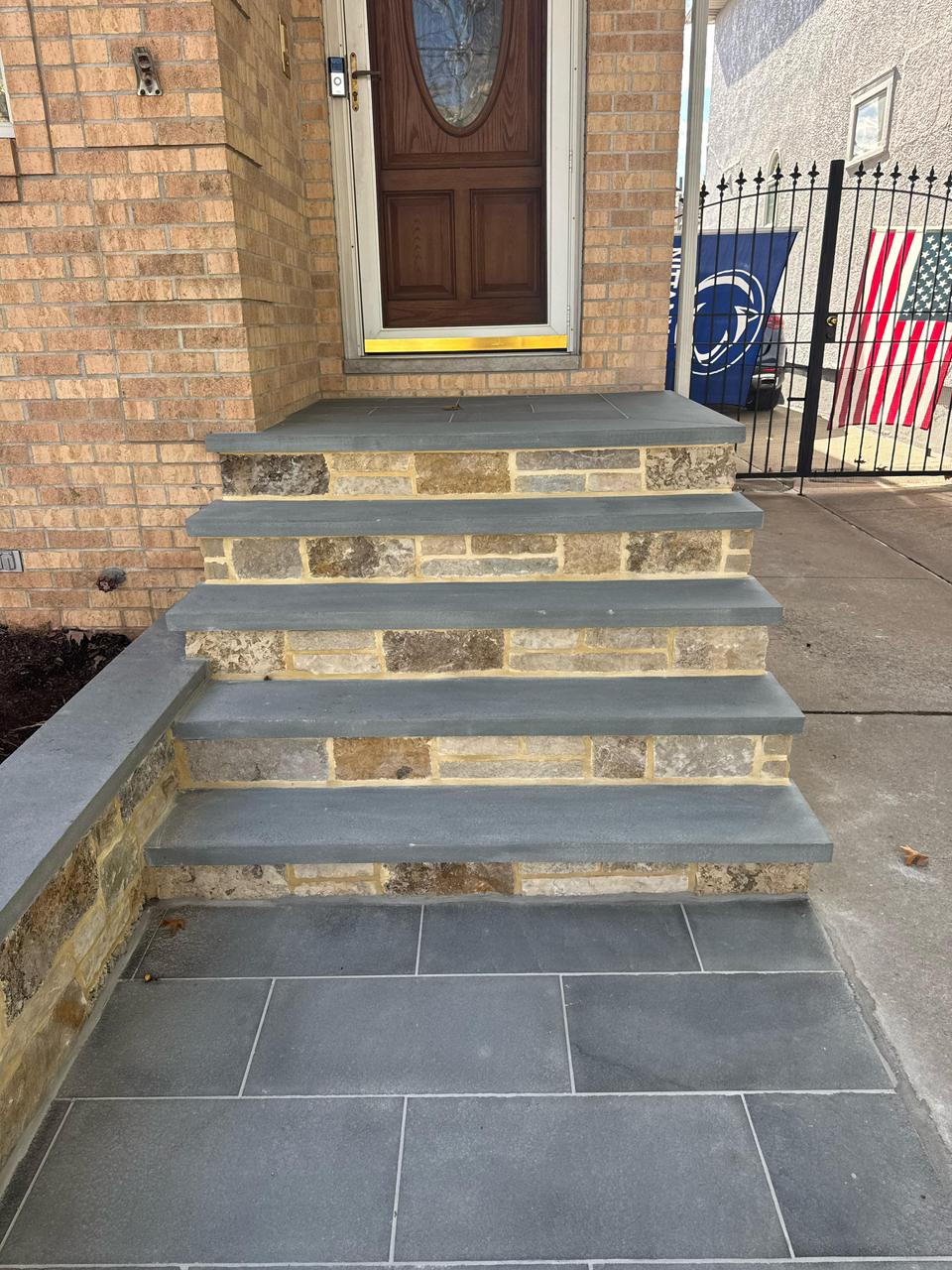
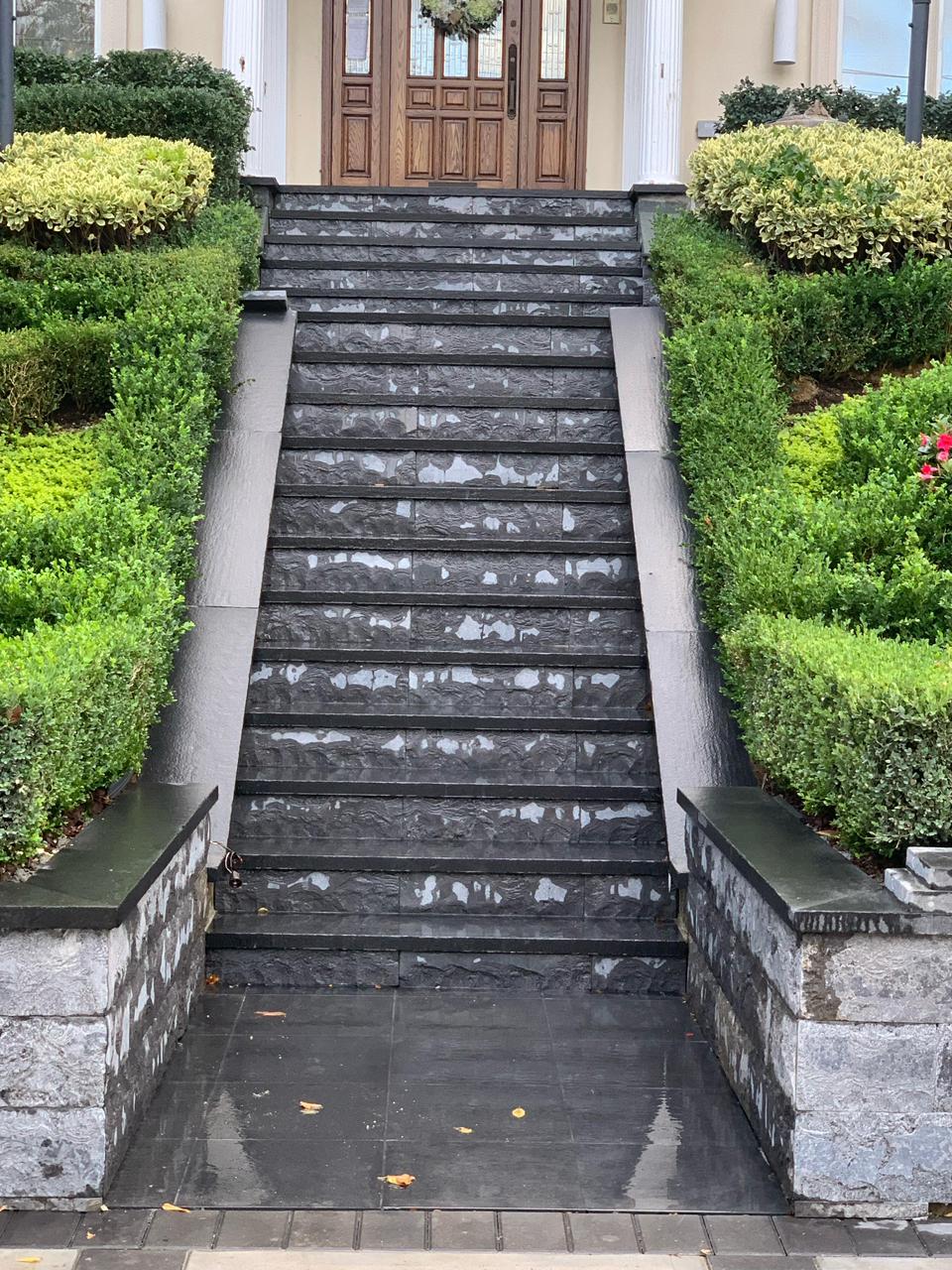
We recently had our garden walls and front steps replaced. We used natural stone on the walls and blue stone for the capping/step material. The results are amazing! It looks beautiful. The workers are excellent-highly skilled, clean, and just nice people. We have received many compliments from friends and neighbors.
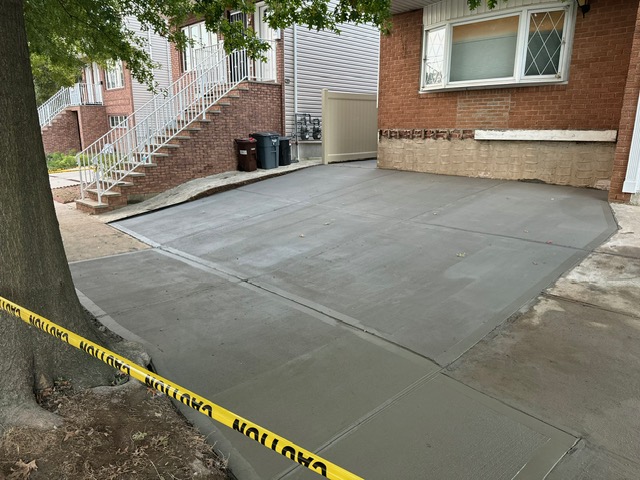
I recently had my driveway redone, which included both pavers and concrete, as well as a planter installation, and I couldn't be happier with the results! In fact, two of my neighbors had followed in my steps and used this contractor for their driveways as well. After interviewing several contractors, I found this one to be the most responsive and reasonable. He not only had a clear vision for my driveway but even presented it alongside an image, which helped me visualize the final outcome.
To my delight, the finished driveway turned out even better than I had anticipated! This contractor is brimming with innovative ideas for enhancing the area he works on, and it was evident that he treated my project and my home as if they were his own. He was always respectful, polite, and kept every promise he made. It was obvious to me that he valued a returning customer and for him keeping a good relationship with a customer even after the job was finished was just as important as gaining a new customer.
Throughout the process, he was consistently available to communicate and always listened to my input. The experience felt like a productive and positive dialogue between myself, the contractor, and his crew. I would not hesitate to work with him again for any future projects. Highly recommend!