Serving Staten Island Since 2014
A crack in a basement wall rarely stays just a crack. Water finds it after a heavy rain, the wall stays damp, and the musty smell follows. NDCCNY has worked on Staten Island homes since 2014. We find where the water is getting in and why the wall cracked, then seal it with the repair that fits: crack injection from inside, drainage, or an exterior membrane. Our own crew does the work.
We are a licensed and insured contractor based in Bulls Head, central Staten Island. A leaking crack is usually a symptom, so we find the source first: the crack itself, water pressure in the soil, a missing or clogged footing drain, or grading that sends water toward the house. Then we fix that, not just the surface. You get a free on-site assessment and a written estimate within 24 hours. NYC Home Improvement Contractor license #2127843-DCWP.
Water coming in somewhere other than a crack? See our basement waterproofing page. Cracks in the stucco on your walls above ground are a different repair, covered on our stucco repair page.
We trace where the water comes from and why the wall cracked before we recommend a repair.
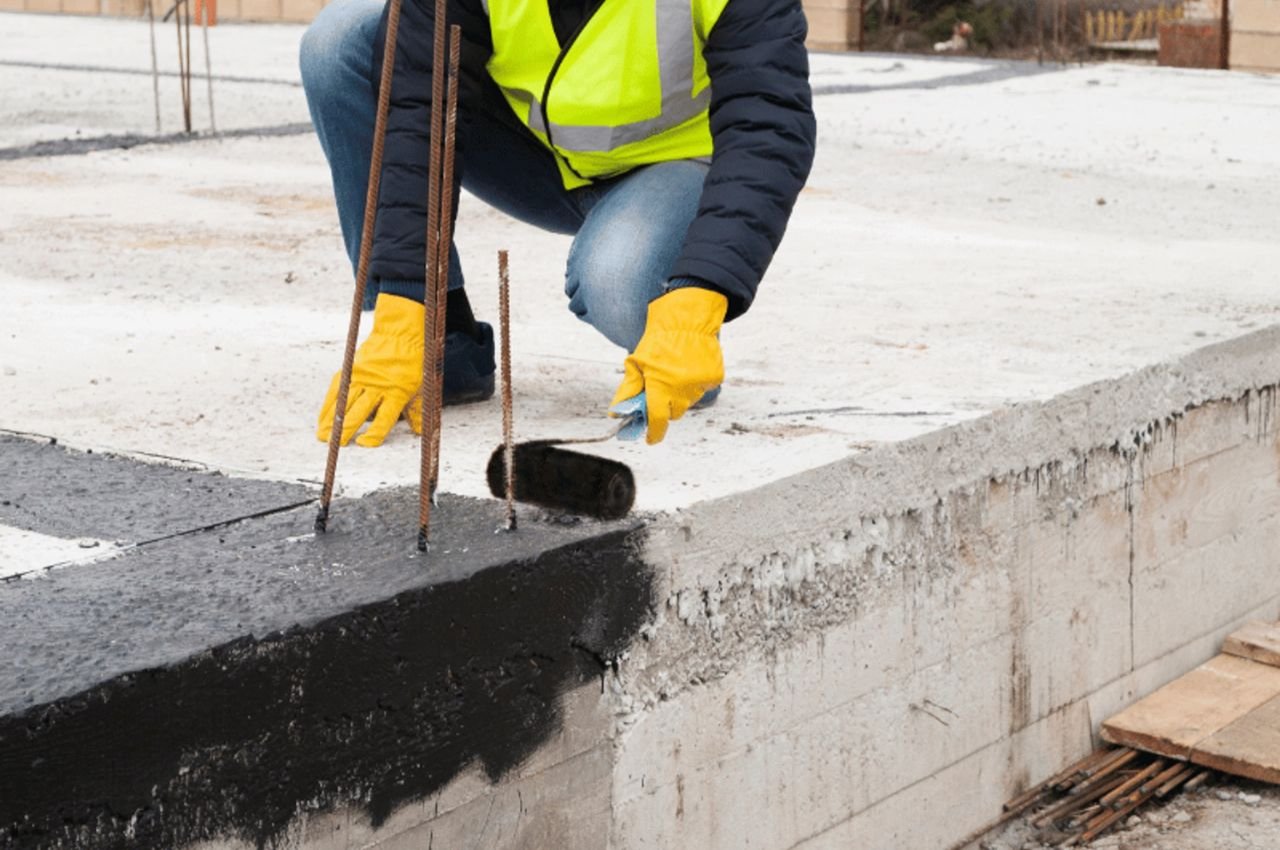
Most leaking cracks are sealed from inside the basement. When the wall needs it, we repair and seal it from the outside.
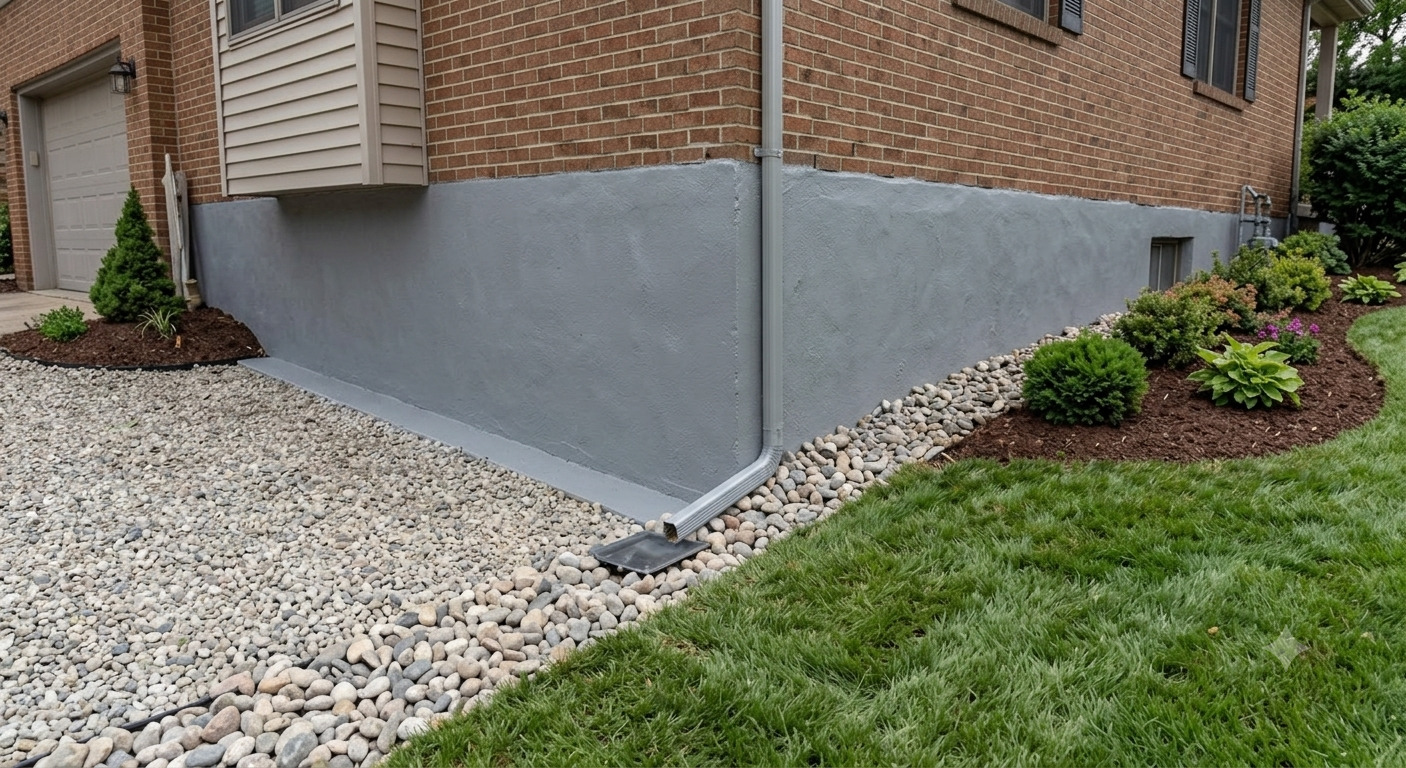
Crack injection, footing and French drains, sump pumps, exterior membranes and parging, handled by our own crew.
NYC Home Improvement Contractor #2127843-DCWP, fully insured, with our own crew on every job.
OUR FOUNDATION SERVICES
Every leaking foundation has a source, and the repair should match it. A single leaking crack in a poured concrete wall is usually sealed by injection from inside. Water pushing up along the floor or coming through in several places points to groundwater pressure, which calls for footing drains and a sump pump. Where the outside of the wall has no protection, an exterior membrane stops the water before it reaches the concrete. We explain which one your basement needs and why.
Why Foundations Crack
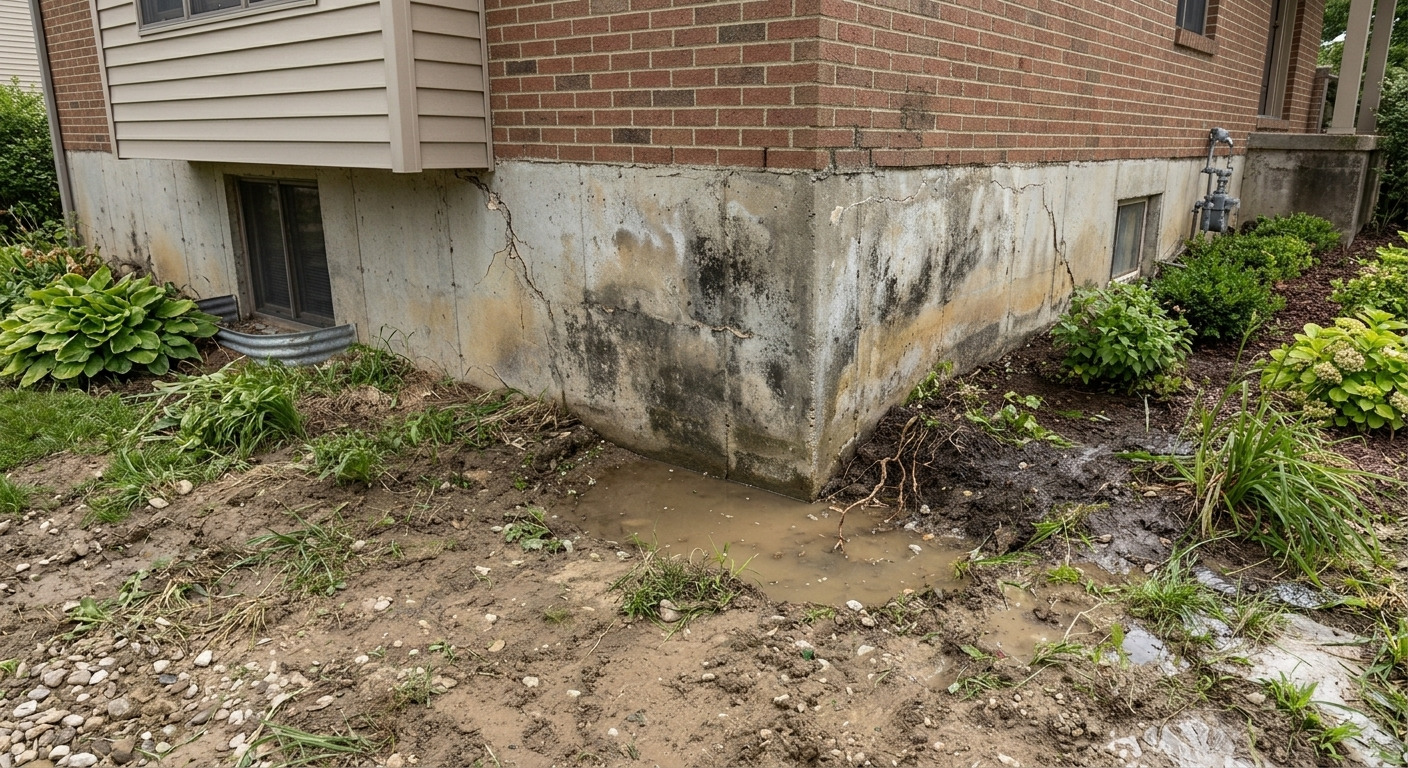
Most foundation cracks start with the concrete itself. Poured concrete shrinks as it cures, and thin vertical cracks are common in walls that are otherwise sound. Those cracks become a problem when water finds them.
Other cracks come from the ground around the house. Soil that settles unevenly, soil that swells when it is wet, and water that builds up against the wall after heavy rain all push on the foundation. Staten Island winters add freeze-thaw cycles, which open small cracks a little more every year.
That is why we look at the crack, the soil, the grading and the drainage together before we recommend a repair.
Get your free foundation crack repair estimate. Call (347) 335-5005, message us on WhatsApp, or request an estimate online. We respond within 24 hours and there is no obligation. Licensed NYC Home Improvement Contractor #2127843-DCWP. Fully insured. Serving Staten Island since 2014.
TESTIMONIAL


Most are shrinkage cracks that form as poured concrete cures. Others come from soil settling unevenly, soil that swells when it is wet, water pressure building against the wall after heavy rain, and freeze-thaw cycles that open small cracks wider each winter. The cause decides the repair, so we look at the crack, the grading and the drainage together.

Thin vertical cracks in a poured concrete wall are common and are mostly a water problem. Take it more seriously if the crack is horizontal, runs in a stair-step pattern through block, is wider than about a quarter inch, keeps getting wider, or comes with a bowing wall or doors that start to stick. Those are signs of structural movement and need a structural engineer’s evaluation before any repair.
In most poured concrete walls, yes. The crack is injected from the inside face of the wall so the material fills it through the wall’s thickness. When the wall needs it, or the outside has no protection, we repair and seal the wall from the outside instead.
Epoxy cures rigid and bonds the two sides of a crack back together, so it suits cracks that need to be bonded in a wall that is no longer moving. Polyurethane expands to fill the crack and stays flexible, so it suits leaking or wet cracks. The right material depends on the crack.
That usually means water pressure in the soil under and around the house, not a single crack, so sealing one crack will not stop it. The fix is drainage: a footing or French drain that collects the water and a sump pump that moves it out.
It depends on how many cracks there are and how long they run, whether the repair is done from inside or needs excavation outside, access to the wall, and whether drainage or a sump pump is also needed. We price it after we see the crack and find the water source, then put the full scope in a written estimate. Ask for a free on-site assessment.
Interior crack repairs and interior systems are often one to three days. Exterior excavation and foundation sealing take longer and depend on access and depth. You get a firm timeline in the written estimate before we start.
Yes. We handle crack injection, footing and French drains, sump pump systems, exterior foundation membranes, and parging repair, so the whole water problem is solved by one crew.
Yes. National Design & Contracting Corp is a licensed NYC home improvement contractor, DCWP #2127843-DCWP, and fully insured. Free estimate: (347) 335-5005.
We repair foundation cracks across Staten Island, working out of Bulls Head. If your street is not named below, call anyway.
We serve Mid-Island neighborhoods including Bulls Head, Willowbrook, Todt Hill and New Springville. On the South Shore we work in New Dorp, Great Kills, Eltingville and Tottenville. On the North Shore we serve St. George, West Brighton and Stapleton.
We also take on foundation work in Brooklyn, including Bay Ridge, Bensonhurst and Dyker Heights.
Crack injection fills a crack from the inside face of the wall through to the outside. Two materials are used, and they do different jobs:
| Epoxy injection | Polyurethane injection | |
|---|---|---|
| What it does | Bonds the two sides of the crack back together | Expands to fill the crack and seal out water |
| Once cured | Rigid | Stays flexible, so it tolerates small movement |
| Wet cracks | Works best in a dry crack | Reacts with water, so it works in damp or actively leaking cracks |
| Best for | Cracks that need to be bonded in a wall that is no longer moving | Leaking cracks where the goal is to stop water |
Neither material fixes a wall that is still moving. Horizontal cracks, stair-step cracks in block walls, cracks wider than about a quarter inch, or a wall that is bowing inward are signs of structural movement, and they need a structural engineer’s evaluation before any repair. Block (CMU) walls are also a different case from poured concrete, because water travels through the hollow cores, so the answer there is usually drainage rather than injection.
You get a firm timeline in the written estimate before we start. For a full look at keeping a basement dry, see our basement waterproofing page.
WhatsApp us