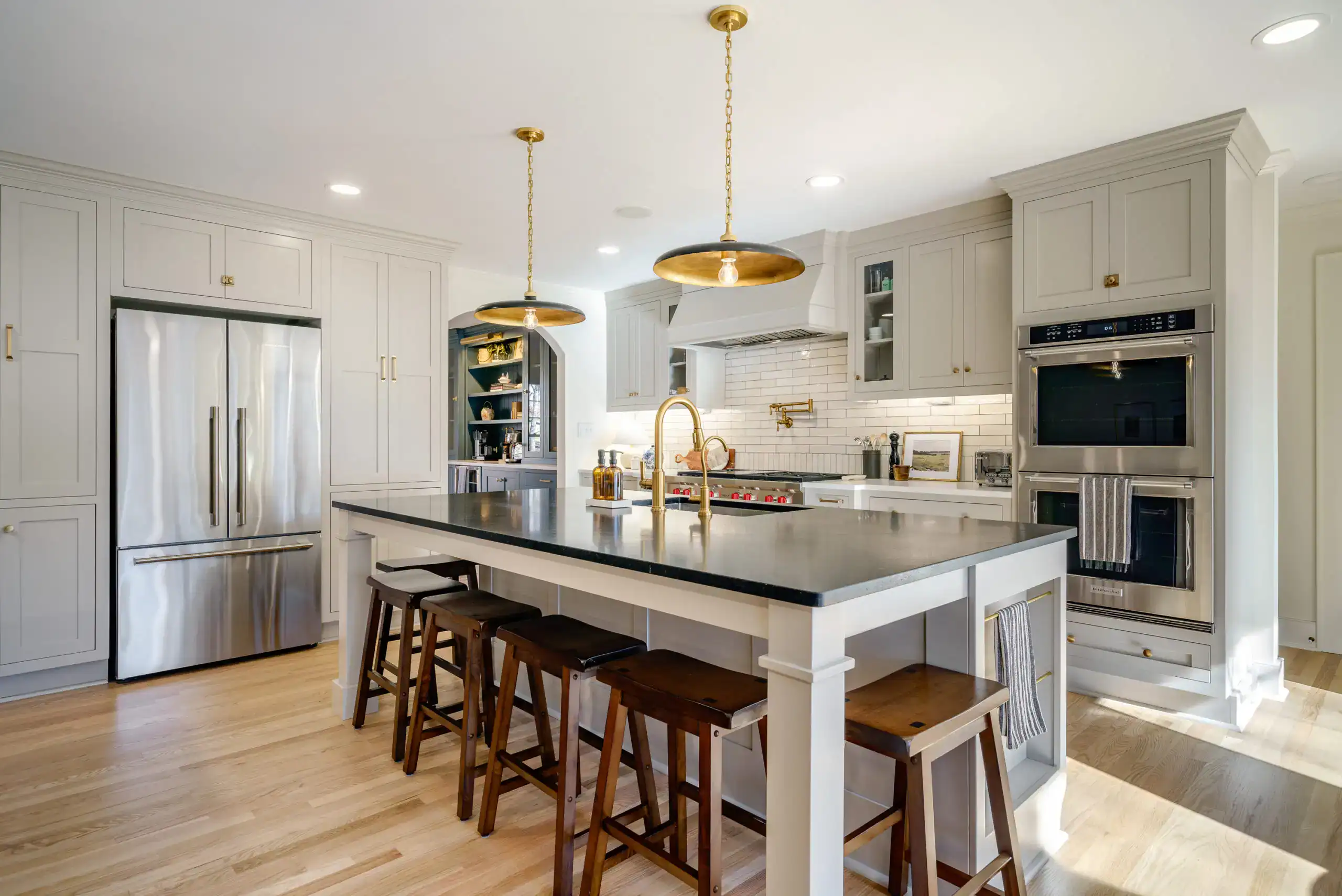

This is one of the most expensive decisions a homeowner can make.
And most people get it wrong — not because they’re careless, but because they ask the wrong question first. They start with “what do I want my home to look like?” instead of “what does my home actually need?”
Those are very different starting points. And they lead to very different outcomes.
If you’re a Staten Island homeowner sitting on an aging property — especially one built before the 1980s, or one that took on water damage post-Sandy — this guide is for you.
Why This Decision Is Harder in Staten Island
Staten Island has a specific problem that makes the renovate-vs-rebuild question more complicated than in other parts of the country.
A large portion of the housing stock is aging. Many homes have deferred maintenance, post-flood damage, outdated electrical and plumbing systems, and foundation issues that don’t announce themselves until you open a wall.
On top of that, NYC has some of the most layered permitting requirements in the country. What you can and cannot do to your home — structurally, mechanically, aesthetically — is governed by the NYC Department of Buildings. That layer of complexity affects your timeline and your budget in ways homeowners routinely underestimate.
So before you decide anything, you need a structural assessment. Not a visual walkthrough. An actual inspection by a licensed professional who will put findings in writing.
Everything else comes after that.
The Structural Warning Signs That Change the Conversation
Renovation makes sense when your home’s bones are solid. The moment the bones are compromised, the math shifts.
Watch for these red flags:
- Foundation cracks — hairline cracks are normal; horizontal cracks or cracks wider than a quarter inch are not
- Sagging or uneven floors — can indicate rotted joists or foundation settling
- Doors and windows that don’t close properly — often a sign of structural movement
- Visible roof sagging or water staining across multiple areas
- Outdated knob-and-tube wiring or aluminum wiring — a safety issue and an insurance problem
- Lead pipes or galvanized plumbing — common in pre-1960s Staten Island homes
- Mold or rot inside walls — especially after flooding, which many SI homes have experienced
Here’s the hard truth: if you discover two or three of these problems during renovation, you stop renovating and start rebuilding — whether you planned to or not. The job scope expands, costs escalate, and you end up mid-project with a gutted house and a decision to make under pressure.
Better to know before you start.
When Renovation Is the Right Call
Renovation works well when:
- Your foundation is structurally sound
- The layout of the home functions for your needs — you’re updating, not reconfiguring
- Your plumbing and electrical systems are in acceptable condition or need partial upgrading only
- The home has character or historic value worth preserving
- You want to stay in the home during or shortly after the project
- You’re targeting specific high-ROI improvements — kitchens, bathrooms, exterior upgrades
Restoring a property can boost its market appeal, especially in historic areas. Several Staten Island neighborhoods — Tottenville, St. George, Stapleton — have homes with genuine architectural character. Tearing those down is often a mistake financially and aesthetically.
Kitchen and bathroom renovations give you the highest ROI among renovation types. If those are your target areas and the rest of the home is solid, renovation is the smarter path.
When Rebuilding Makes More Sense
Rebuilding is not always the more expensive option long-term. That surprises people.
Consider rebuilding when:
- The structural damage is extensive — foundation failure, severe flood damage, fire damage affecting multiple systems
- The layout is fundamentally broken — when fixing it requires moving load-bearing walls, rerouting plumbing, and rewiring electrical throughout, you’re essentially rebuilding anyway but paying more
- The home is too small for your needs and can’t be expanded reasonably — zoning and setback rules in Staten Island limit what additions are possible on many lots
- Code compliance costs are extreme — older homes sometimes require full system upgrades to meet current NYC code before any renovation work can proceed
- The renovation cost approaches or exceeds rebuild cost — this happens more than homeowners expect, particularly when structural issues compound
The honest calculation: get a full renovation quote AND a rebuild quote before deciding. Many homeowners skip the rebuild quote because it feels extreme. That’s a mistake — you can’t make a real comparison without both numbers in front of you.
The Permit Reality Nobody Warns You About
Most NYC renovations involving structural, plumbing, electrical, or mechanical work require a Department of Buildings (DOB) permit, while cosmetic updates like painting and cabinet replacement typically do not.
Here’s what that means in practice:
No permit needed for:
- Painting, plastering
- Replacing cabinets
- Flooring
- Changing light fixtures
Permit required for:
- Moving or removing walls
- Adding or changing plumbing
- Replacing windows or doors
- Electrical system work
- Building decks or additions
- Any structural modification
Filing fees follow a $130 minimum structure, with fees based on construction cost.
For a full rebuild, you’re looking at an Alteration Type 1 (Alt-1) permit — the most complex category, requiring architect-stamped drawings, engineer sign-off, and full DOB review. Approval timelines are typically 2 to 6 weeks for simpler permits, but full rebuilds can take significantly longer.
Don’t assume unpermitted work is a shortcut. The consequences — difficulty selling, safety risks, insurance issues — apply everywhere.
Unpermitted work in NYC is not just a technicality. It shows up during title searches and home inspections. Buyers either walk or demand significant price reductions. You pay for it eventually.
ROI: What Actually Holds Its Value in Staten Island
This is where homeowners need to be realistic.
Not every renovation or rebuild dollar comes back to you at resale. Here’s the general principle:
High ROI moves:
- Kitchen updates
- Bathroom renovations
- Energy-efficient windows and insulation
- Exterior improvements — siding, roofing, curb appeal
- Finished basements (very relevant in SI’s multigenerational housing culture)
Lower ROI moves:
- Luxury upgrades in a mid-range neighborhood (the neighborhood caps your value)
- Highly personalized finishes that don’t appeal broadly
- Swimming pools in the Northeast (seasonal use, high maintenance, buyer hesitation)
Unless you have a luxury property, you will not recoup a gut renovation’s level of investment.
For rebuilding specifically: a full rebuild typically adds significant value when the existing structure was genuinely at end of life. A new build on an established lot in a desirable Staten Island neighborhood — Annadale, Huguenot, Lighthouse Hill — can command a premium that justifies the investment.
But if you rebuild in a neighborhood where surrounding homes are significantly lower in value, you’ll overcapitalize. The market doesn’t reward your spend just because you spent it.
The Decision Framework: 4 Questions to Answer First
Before calling any contractor, answer these honestly:
- What did the structural inspection find? If you haven’t had one, stop here and get one. Everything else is speculation.
- What is the renovation scope realistically? Not what you want to do — what the home actually needs. A licensed general contractor working in NYC renovation sees the same mistake often: homeowners start with finishes, then try to force the layout, budget, and schedule around them.
- Does this neighborhood support the investment? Look at recent comparable sales. Be honest about your home’s ceiling value in that specific area.
- How long are you staying? If you’re staying 10+ years, a rebuild can make sense even at high cost — you get years of enjoyment. If you’re selling in 3–5 years, ROI math has to work, or you’re losing money.
Conclusion:
Renovation wins when your home’s structure is sound and the scope is targeted. Rebuilding wins when the damage is extensive, the layout is fundamentally broken, or the renovation cost gets close to what a fresh build would cost anyway.
Neither answer is automatically right. The answer comes from data — a structural inspection, real quotes from licensed contractors, and an honest look at your neighborhood’s market.
What definitely doesn’t work: making a six-figure decision based on gut feeling and a few YouTube videos.
Not Sure Where Your Home Falls?
National Design & Contracting Corp helps Staten Island homeowners make this exact call — with honest assessments, detailed scopes, and no pressure to choose a path that doesn’t fit your situation.
Schedule your consultation at ndccny.com — tell us about your home, your goals, and what you’ve already noticed. We’ll help you figure out the smartest move forward.