Staten Island homeowners aren’t sitting still in 2026.
With median home prices hitting $762,000 and rising 4.1% year-over-year, more people are choosing to renovate instead of move. And when you’re staying put, you want your home to actually work for your life — not just look good in listing photos.
But not every trend is worth your money. Some are genuinely adding value. Others are noise.
Here’s a grounded look at the 10 renovation trends actually moving in Staten Island right now — and what you should know before jumping in.
1. Open-Concept Kitchens — Still Dominant, But Evolving
Open-concept kitchens aren’t going anywhere. But the version trending in 2026 is smarter than what was popular five years ago.
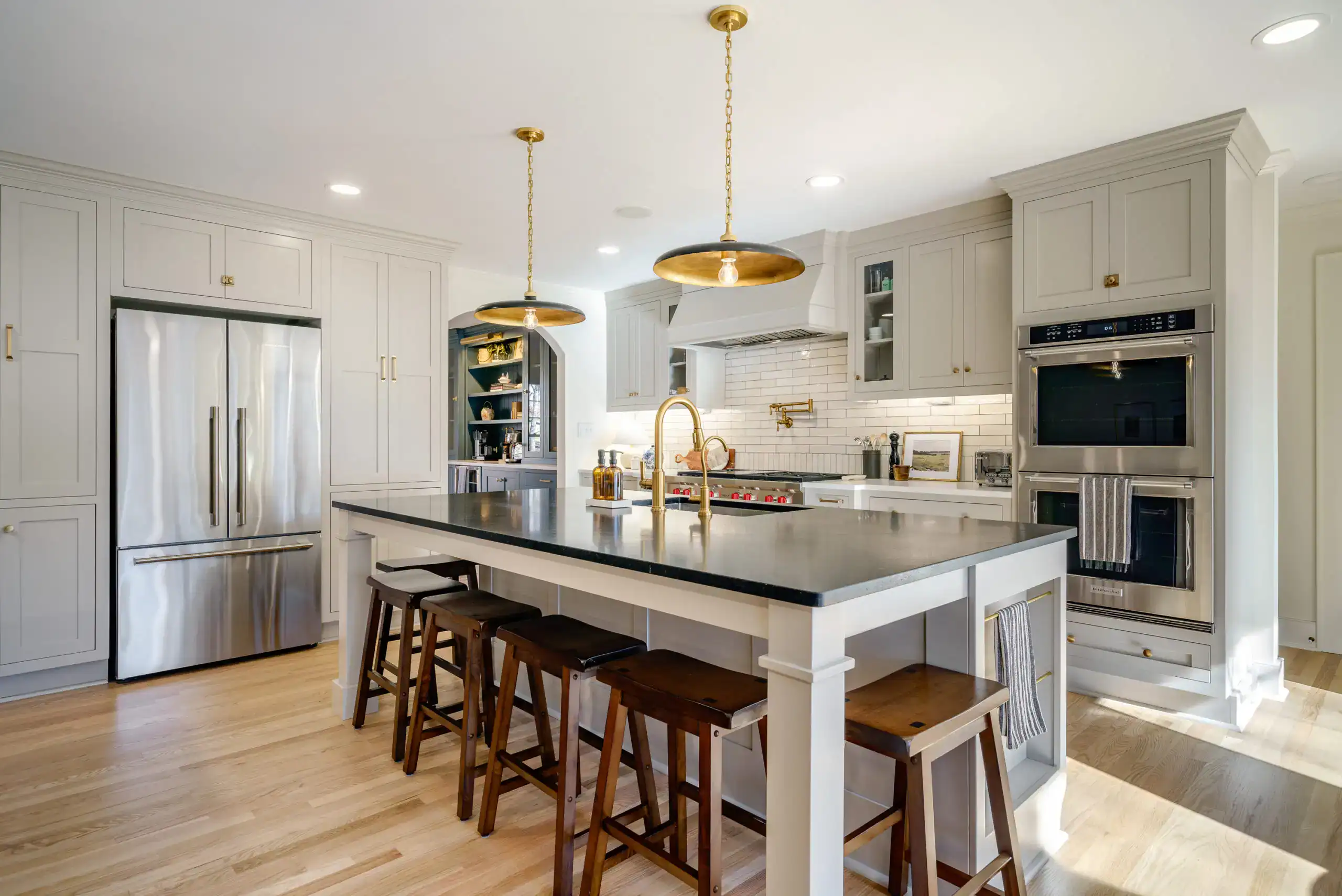
The 2026 kitchen balances beauty and practicality — think large islands with seating, hidden walk-in pantries, integrated appliance fronts, and slab backsplashes.
What’s changed: Cold white kitchens are out. Soft creamy whites and warm taupes are replacing bright white, paired with warm wood tones on cabinetry and islands.
Worth doing if:
- You want to increase resale value
- Your current kitchen feels chopped up and dark
- You’re combining kitchen and dining space
Skip it if: Your home’s layout makes it structurally expensive. Removing load-bearing walls in older Staten Island homes can cost $10K–$20K before you even touch finishes.
2. Smart Home Integration — Practical, Not Gimmicky
This one has matured. It’s no longer about buying a smart speaker and calling it done.
Staten Island homeowners are now focused on modern finishes and smart home characteristics as part of full-house renovation strategies. MCG Corp
In 2026, smart home upgrades worth investing in include:
- Smart thermostats (real ROI on energy bills)
- Leak-detection sensors — especially relevant in older SI homes
- Smart lighting systems
- Whole-home energy monitors
- Video doorbells and integrated security
These tools provide real-time data on usage, helping homeowners identify waste and optimize settings.
The mistake people make: buying standalone devices that don’t talk to each other. If you’re renovating, plan the integration from the start — not as an afterthought.
3. Energy-Efficient Windows — One of the Smartest Upgrades You Can Make
Energy-saving windows, insulation, and lighting are among the core upgrades being prioritized in Staten Island full-house renovations in 2026.
This makes practical sense. Staten Island’s coastal climate means wind exposure, humidity, and temperature swings. Old single-pane windows are costing homeowners money every month.
What to look for:
- Double or triple-pane glass
- Low-E coating (blocks heat transfer)
- Proper weatherstripping and installation
One couple in a similar coastal area added new insulation and efficient windows — combined with other upgrades, they reduced annual energy costs by approximately 40%.
That’s not a small number. This upgrade pays for itself.
4. Luxury Bathrooms — The Wellness Angle Is Real
This is no longer just about aesthetics. It’s about function.
Wellness practices at home are a priority for 2026 — homeowners are renovating to include amenities like home gyms, saunas, and dedicated wellness spaces, trends that started growing post-pandemic.
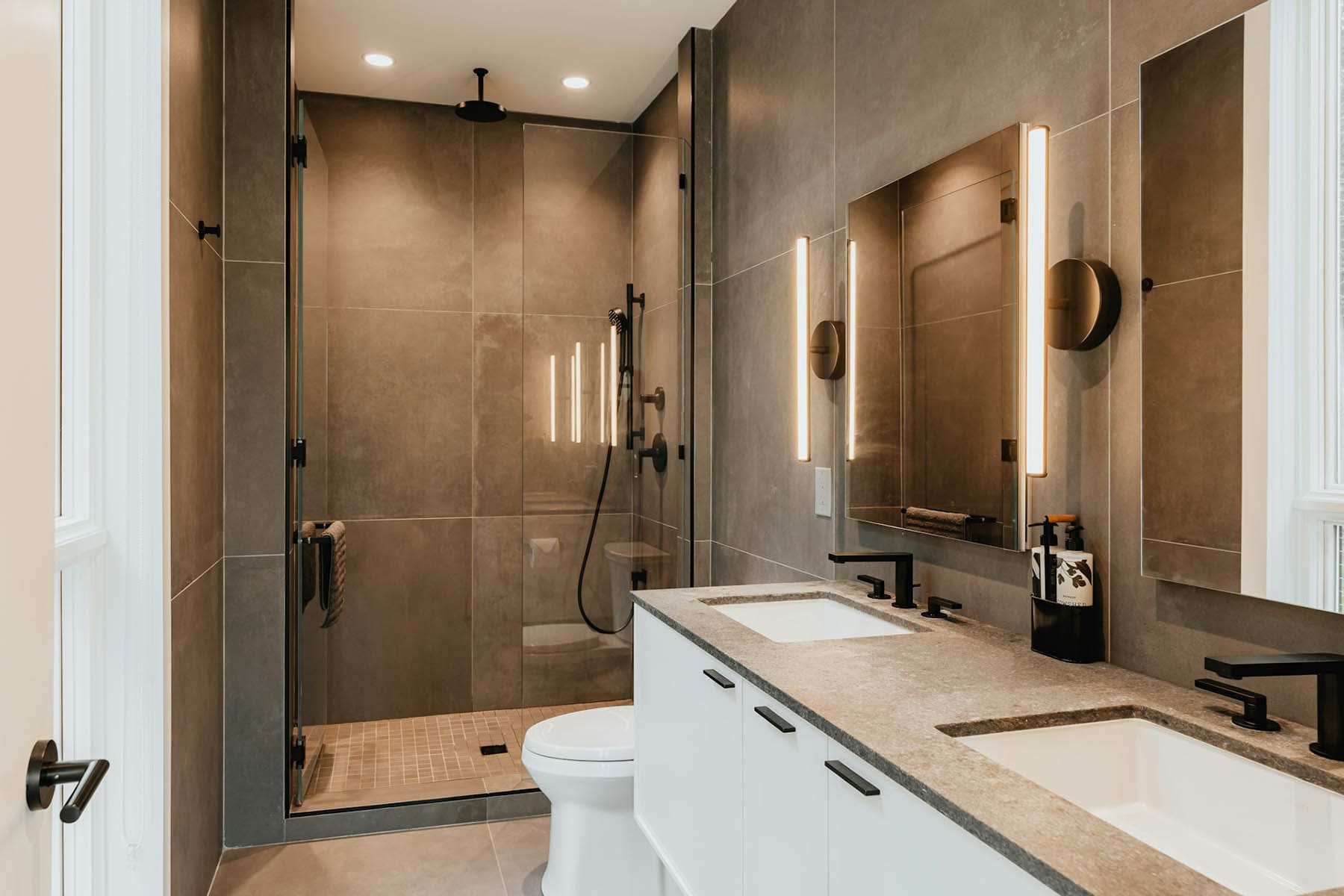
In bathrooms specifically, what’s trending in Staten Island:
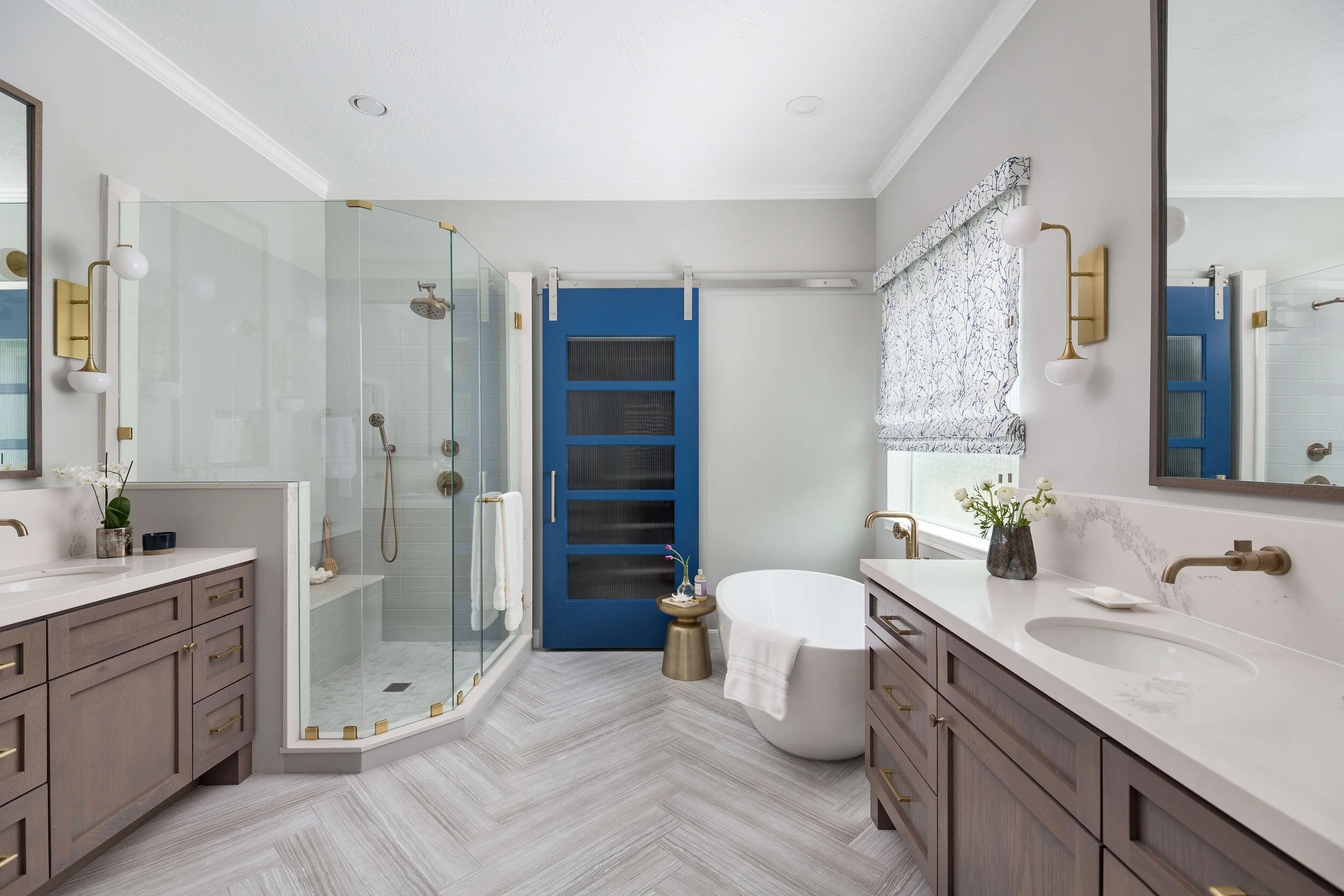
- Walk-in showers with frameless glass
- Freestanding soaking tubs
- Heated floors
- Double vanities (practical, not just pretty)
- Better ventilation and natural light
The honest take: A luxury bathroom in a mid-range Staten Island neighborhood won’t return 100% of its cost at resale. Do it because you’ll use it and enjoy it — not purely for ROI.
5. Outdoor Living Spaces — High Value, Underused by Many
Creating a cozy outdoor living area is one of the key renovation goals for Staten Island homeowners right now.
Staten Island has the yard space that most NYC boroughs don’t. That’s an asset most homeowners underuse.
What’s being built in 2026:
- Covered patios and pergolas
- Outdoor kitchens with built-in grills
- Composite decking (low maintenance, holds up to coastal weather)
- Fire pit areas
- Privacy fencing and landscaping
Deck renovation and remodeling — repairing, maintaining, and expanding decks to create inviting outdoor areas — is a core service currently in high demand across Staten Island.
ROI reality: Outdoor spaces typically return 60–80% of cost at resale — and 100% in quality of life if you actually use them.
6. Basement Conversions — Extra Space, Real Money
This is one of the smartest moves for Staten Island homeowners — and one of the most underrated.
Basements are being converted into livable, well-ventilated spaces — ideal for recreation rooms, home offices, or rental units.
In a borough where multi-generational living is common, a finished basement can function as:
- An in-law suite
- A rental unit (check NYC zoning rules first)
- A home office
- A kids’ playroom or gym
Key warning: Post-Sandy flooding is a real concern in parts of Staten Island. Before finishing a basement, invest in proper waterproofing. Skipping this step is how renovations turn into disasters.
7. Natural Wood Tones — Warm, Timeless, Everywhere
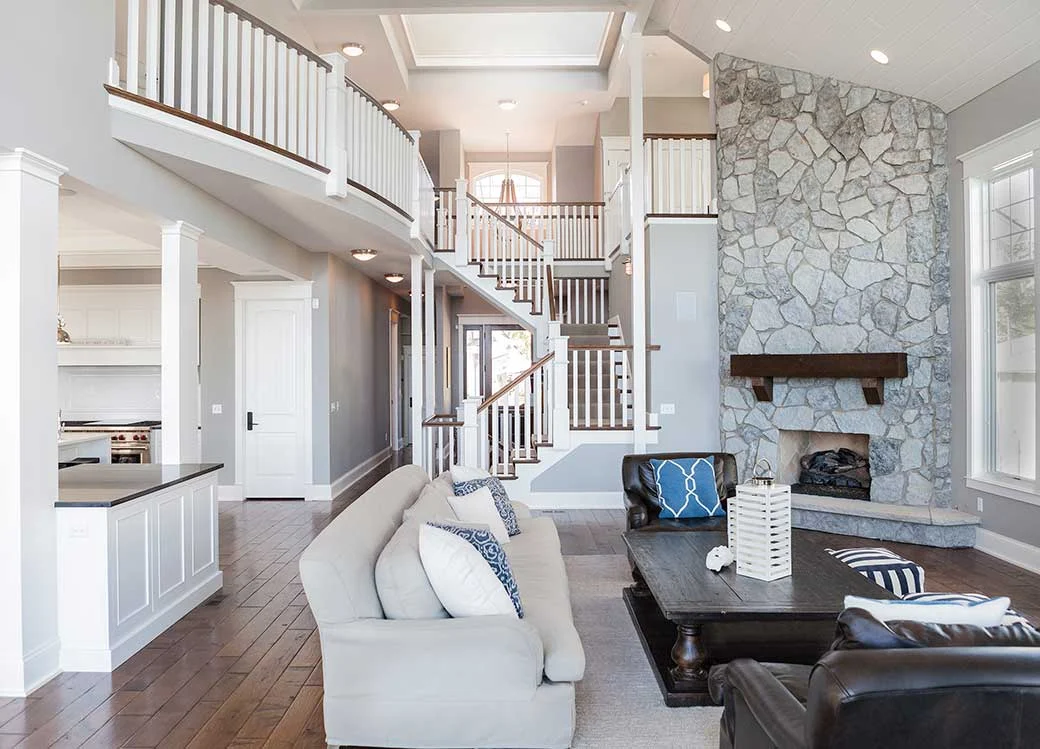
White oak, walnut, and mid-tone brown stains are dominating cabinetry, flooring, and millwork in 2026 — including fluted wood on islands and vanities, warm wood built-ins, and wood ceilings or beams for character.
This is a reaction to the cold gray-and-white aesthetic that dominated the 2015–2022 era. Homes felt sterile. People want warmth back.
For Staten Island homes — many of which have traditional architecture — this trend actually fits naturally. It doesn’t fight the bones of older homes; it complements them.
Practical note: Real hardwood floors still outperform luxury vinyl plank at resale. If budget allows, go real.
8. Exterior Siding Upgrades — Curb Appeal Meets Durability
For 2026, trends are moving toward refined neutrals and nature-inspired tones — sage green, warm gray, deep forest green, and charcoal black — that complement both classic and contemporary architecture across the island.
Staten Island’s coastal exposure means siding takes a beating. This isn’t just cosmetic — it’s structural protection.
Material choices that hold up:
- Fiber cement (James Hardie): Durable, fade-resistant, handles moisture well
- Vinyl: Lower cost, solid color retention, low maintenance
- Engineered wood: Better aesthetics than vinyl, more affordable than fiber cement
High-quality vinyl has UV protection built into the material, resisting the fading caused by sun exposure near the coast.
9. Multigenerational Home Design — A Staten Island Staple Getting a Formal Upgrade
Staten Island has always had strong multigenerational living culture. In 2026, homeowners are formalizing it.
Complete renovations are addressing how homes align with contemporary lifestyles — including remote work, living with multiple generations, and flexible spaces. MCG Corp
What this looks like in practice:
- Separate entrances for basement or first-floor suites
- Second kitchenettes or wet bars
- Private bathrooms for each living zone
- Soundproofing between floors
If you’re adding a rental unit or accessory dwelling unit (ADU), verify compliance with NYC building codes first. Unpermitted work creates legal headaches at resale.
10. Warm Textured Wall Finishes — Small Change, Big Impact
This one costs less than most trends and delivers a lot of visual impact.
2026 is seeing more texture on walls — limewash, microcement, Roman clay, and soft plaster finishes, paired with soft, layered neutral tones like oatmeal, sand, mushroom taupe, and creamy whites.
Why it matters for Staten Island homeowners specifically: many older homes here have builder-grade flat paint on every surface. It’s cheap-looking and shows every imperfection. Textured finishes actively hide flaws and add visual depth without a full gut renovation.
Cost reality: A limewash or Roman clay finish typically runs $3–$8 per square foot installed. For a single accent wall or living room, it’s a very affordable upgrade with a high visual return.
Before You Start Any Renovation: Three Things to Know
- Permits matter in NYC. Structural, electrical, plumbing, and floor plan changes all require permits in Staten Island. Working with an unlicensed or permit-skipping contractor creates problems when you sell.
- Get three quotes minimum. Chat with several professionals to understand how much your desired renovations will cost — and if prices exceed your budget, ask if they can suggest alternative upgrades that are more affordable.
- Budget for overruns. Add 15–20% to whatever your contractor quotes. It’s not pessimism — it’s how renovations work, especially in older homes.
Conclusion:
Staten Island in 2026 rewards homeowners who renovate smart — not just those who renovate big. The highest-value moves combine practical upgrades (energy efficiency, structural integrity, functional space) with aesthetics that actually match the market.
Don’t renovate to chase trends. Renovate to solve real problems in your home — and the trends above happen to be solving those problems right now.
Ready to plan your 2026 renovation? Start by getting a proper assessment of your home’s current condition before deciding where to spend. The best renovation is the one that fits your home, your neighborhood, and your budget — not the one that looks good on Pinterest.